

By reconciling these accruals, businesses will ensure that the financial accounts are accurate and up-to-date. Another common reconciliation is between the accounts payable and the supplier statement. This is to check that all invoices are entered into the system and that the amount owed matches the supplier statement. Regular account reconciliation should be combined with invoice reconciliation as part of your internal controls in accounts payable. Using the bank reconciliation example above, if your spending doesn’t take into account the $12,000 in outstanding checks, you can easily overspend available funds. While the reconciliation process remains the same, with two sets of documents compared for accuracy, the difference lies in what is being reconciled.
“Matched” doesn’t mean corrected
- They can reconcile vendor statements with invoices they’ve received and outgoing transaction records from the bank statement.
- Also note your ending balance so you can check it against your own accounting later.
- You also have the option to search and download electronically up to 12 months of image history of checks, deposits, credits, and /or debits in your account with the Images Search service.
- Overall, these drawbacks are not significant issues compared to the benefits of having a well-oiled accounts reconciliation machine, but they’re there to consider when scaling up your operations.
- Often, this is because the deposit hasn’t been processed by the bank.
Manual account reconciliation often leads to delays, errors, and increased compliance risks—especially as transaction volumes scale. By contrast, automated reconciliation streamlines the process with real-time matching, built-in controls, and exception management. Here’s a side-by-side comparison to highlight the impact of automation across speed, accuracy, and audit-readiness. It’s high time for finance teams to use advanced, automated account reconciliation tools that integrate with your ERP to automate transaction matching, flag anomalies, and accelerate close cycles. Account https://www.bookstime.com/ reconciliation is one of the most critical control points in accounting and goes beyond the typical reconciliation definition of matching transactions.
- By regularly reconciling accounts, businesses can identify and correct discrepancies, ensuring that their financial statements accurately reflect their financial position.
- Regular reconciliation of accounts receivable is critical for ensuring steady cash flow and positive customer relations.
- Two of the most common types of account reconciliation include balance sheet reconciliation and general ledger reconciliation.
- Automated matching, certification, and documentation let analysts do what they were hired to do.
- Reconciling your business bank account monthly ensures you’ve correctly accounted for all transactions.
- The first step is to compare transactions in the internal register and the bank account to see if the payment and deposit transactions match in both records.
QC Administrator / Document Controller
He works closely with finance teams to automate core close activities. In his role at Redwood, he leads value-driven engagements, solution demonstrations and technical evaluations, partnering with customers to modernize and standardize their financial close. When reconciliation logic confirms discrepancies, Finance Automation automatically generates correcting journal entries, applies approval workflows, validates posting rules and posts directly to SAP. The reconciliation process becomes a trigger for real action instead of a reporting exercise.

Administrator, Client Services (Consumer Insolvency)
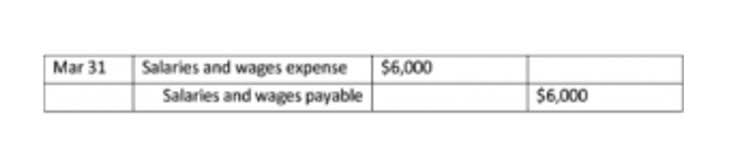
Double-entry accounting is the concept of reconciling a transaction in two places. Recording a transaction in two places each time adds an extra layer of checks to make spotting any https://happytel.hr/director-of-client-finance-non-profits-at-hidden/ mistakes easier. This might look like discrepancies in inventory, an employee embezzling money from the company, or fraudulent checks being cashed that don’t appear on the ledger. For example, a company maintains a record of all the receipts for purchases made to make sure that the money incurred is going to the right avenues. When conducting a reconciliation at the end of the month, the accountant noticed that the company was charged ten times for a transaction that was not in the cash book.
Why most tools create journal gaps instead of closing them

We have an ethical, humane and empathetic approach to dealing with defaulters, without sacrificing efficiency or effectiveness in collection. In addition, on our website you will find a simple step by step on how to hire our services. Forget about the tedious debt claim process, contact us and start collecting.
Loved by brands, trusted by analysts
It can be helpful for small business owners, as it can help them ensure that their finances are in order and that they are aware of any discrepancies. Complying with changing financial and tax regulations increases the complexity of reconciliations. The absence of adequate documentation, such as invoices or receipts, makes reconciliation and resolution of discrepancies difficult. If you encounter many problems, discrepancies, or do not have the tools to do this reconciliation, you can always hire the services of a certified public accountant. Document the conciliation process, including adjustments made, supporting documents, and people involved in the conciliation. Match the account’s starting balance to the ending balance from the previous period.

In most cases, including those in this article, the phrase “account reconciliation” refers to this approach. Internally, reliable accounting records make it much easier to manage and predict overall cash flow and budget for ongoing operations. The clarity delivered by sound numbers makes process and payment abnormalities stand out, allowing you to address invoice fraud or other malfeasance more immediately.
This ensures that financial records, transaction details, and account balances remain protected whether they’re stored in databases or moving between systems. A company’s general ledger account is compared to transactions on the bank, credit card, and loan statements to ensure the ledger is accurate. A bank error is an incorrect debit or credit on the bank statement of a check or deposit recorded in the wrong account. Bank errors are infrequent, but the company should contact the bank immediately to report the errors.
A Small Business Guide to Invoice Financing
That’s why selecting account reconciliation software needs a strategic approach. The right solution should improve accuracy now, what is account reconciliation adapt as data changes, and grow with the business without adding manual effort. Chris Keir is a Solutions Engineer at Redwood Software, specializing in record-to-report (R2R) finance automation.